
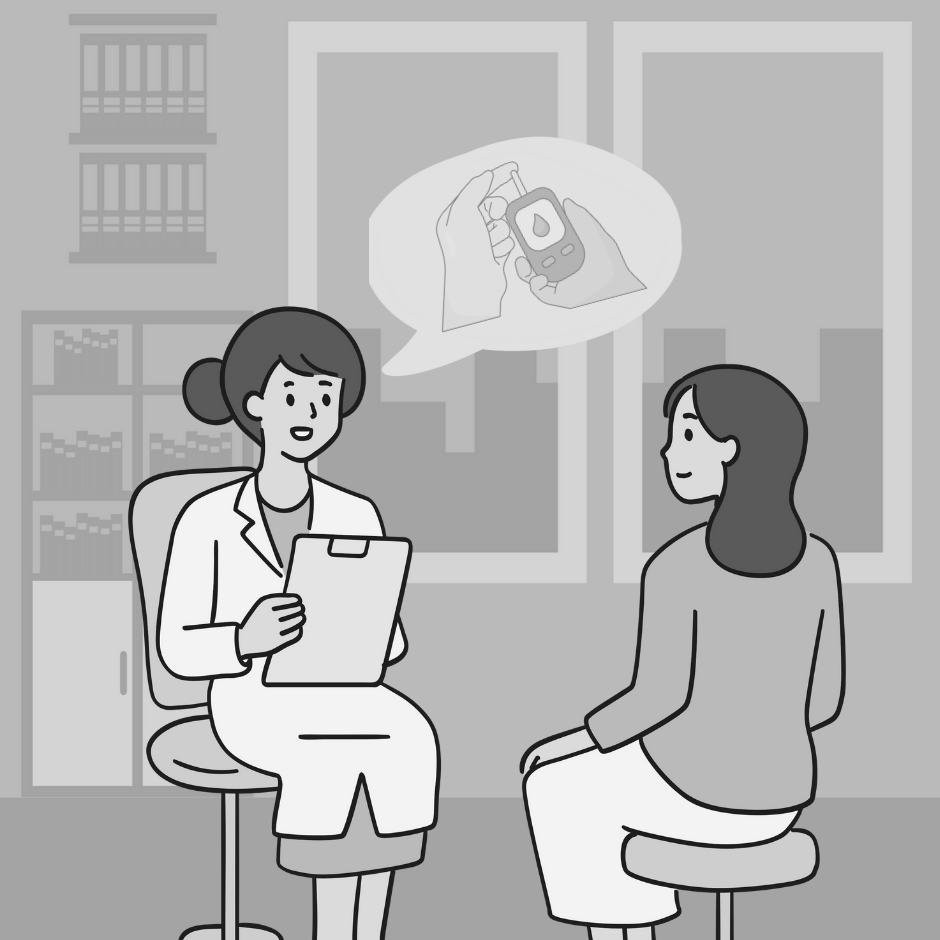

How we say things is just as important as what we say.
The other day I caught myself mid-sentence, giving a patient advice that sounded… well, very “guideline-y.” Correct, yes. Inspiring? Not so much.
And then I thought: What would I want to hear if I were on the other side of this desk?
That’s where my training in NLP (Neuro-Linguistic Programming) kicks in. It reminds me that how we say things is just as important as what we say. The NICE guidelines give us the science; NLP gives us the communication spark that makes it land.
So here are a few NLP-inspired tools I’ve found especially powerful in short general practice consultations that were taught to me by an expert in this field*
NLP Tools for Everyday Consultations
1. Reframe “Can’t” into “Choose To”
Patients often hear rules and restrictions: “You can’t have this, you must avoid that.”
Try: “You’re choosing foods that protect your kidneys and keep your sugars stable.”
Autonomy beats resistance every time.
2. Future Pacing
Anchor behaviour change in a positive vision.
Ask: “Imagine six months from now with more energy — what difference would that make in your daily life?”
It shifts the focus from guilt to motivation.
3. Chunking Down
Big goals feel overwhelming. Break them into micro-steps.
“What’s one 1% change you could make this week?”
“What’s the smallest walk you could fit in on your busiest day?”
Tiny actions feel doable and build momentum.
4. Language Matching & Mirroring
Reflect back the patient’s own words and metaphors.
Patient: “It’s like climbing a mountain.”
Nurse: “What would make that climb feel less steep?”
Builds trust and rapport instantly.
5. The “As If” Frame
Invite patients to step into a new identity.
“If you were already confident about your weight, how would you be acting today?”
Creates space for fresh ideas and self-belief.
6. Reframing Setbacks
Shift failure into feedback.
Patient: “I blew it, I had a takeaway.”
Nurse: “That’s great insight — what did you learn about your trickiest moments?”
Keeps the conversation encouraging, not shaming.
The Takeaway
Clinical guidelines may change our prescribing decisions, but they don’t change the heart of our role: helping people believe change is possible. NLP tools give us language that empowers, not lectures.
For me, blending the science with compassionate communication has been the key — and honestly, it makes consultations lighter, more human, and often more effective.
What language shift could you try in your next consultation because sometimes it isn’t just what we prescribe that saves lives — it’s how we talk about it?
Final Thoughts
I didn’t just stumble across these tools on my own — I learnt them through training with Jo Creed, whose NLP teaching showed me how powerful small language shifts can be in practice. It’s been a game-changer, not only for my patients but also for how I think about my own health.
If you’re curious about weaving NLP into your consultations — or even into your own self-talk — I’d really encourage you to explore further. The difference it makes isn’t just in what we say, but in how people feel when they leave the room.
Want to know more? Reach out — because the way we talk to our patients (and ourselves) truly can shape outcomes.