

I’m talking about learning that sticks—because it’s alive, memorable, and rooted in reality
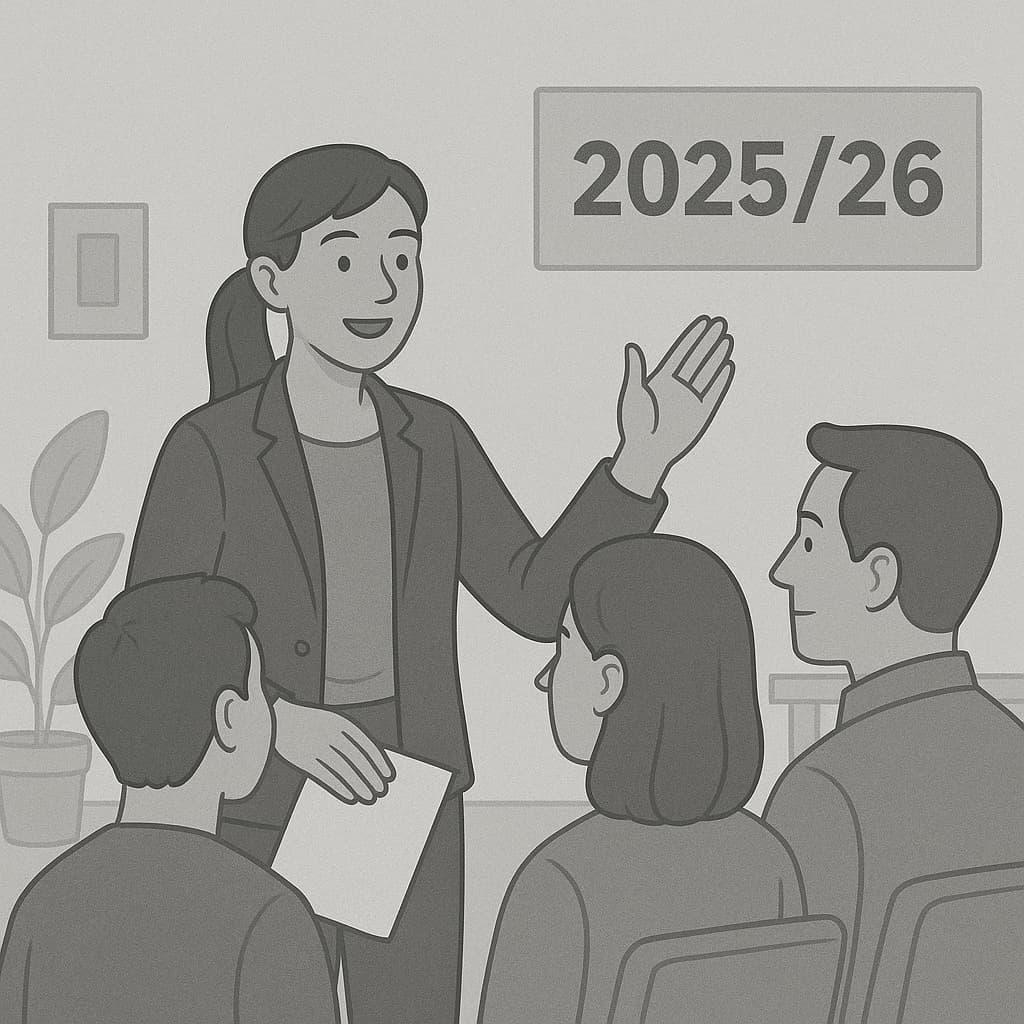
Let’s be honest – things feel pretty unstable in the NHS at the moment. We have the NHS 2025/26 operational policy – and a new 10-year plan on the horizon – I’ve been thinking about what this next chapter means for training. And more importantly, what kind of training actually works when the pressure’s on, resources are tight, and morale is generally low.
The existing plan is ambitious: reduce wait times, streamline urgent care, digitise systems, and—thankfully—keep the spotlight on workforce productivity and retention. But underneath all the policy and percentages is something simpler: people. People who need to feel supported, skilled, and confident in what they do. Just like the MA slogan says: “we teach because you care.”
That’s where good training makes the difference. Not box-ticking. Not death-by-PowerPoint. And definitely not another muted webinar while people catch up on emails (we’ve all done it).
I’m talking about learning that sticks—because it’s alive, memorable, and rooted in reality.
This year, I’ve seen again how the right kind of training can lift people. The kind that makes tired nurses laugh, helps a new clinician spot something serious, or gives a community paramedic the confidence to shift into primary care. It’s not about slick platforms or perfect metrics—it’s about connection, story, and trust.
One of my favourite stories? A nurse who joined our minor illness training. During a role play, I wore a very dodgy wig, and when she asked, “What’s brought you here today?” I said, “A Volkswagen Golf.” She was learning to listen to chests.
Two years later, she emailed me. She’d recognised signs of a pneumothorax in her son—and got him straight to A&E. It possibly saved his life. Not because she clicked through slides and passed a quiz. But because something stuck.
It possibly saved his life
That’s the point. Training should energise, not patronise. It should respect the brilliant professionals who show up every day to do the hard stuff.
So as the NHS asks even more from its people—with fewer resources and rising pressure—I’m determined to continue to provide real learning. Human-centred, creative, and grounded in practice. And yes, I’ll keep bringing the wigs, the oddball scenarios, and the laughter.
If this new strategy has you rethinking how you train, build resilience, or get the best from your team—I’d love to chat. Whether it’s swapping stories, solving challenges, or creating something bespoke, I’m here for it.
Let’s make training that doesn’t just fill time—but fuels capability.