

Why Dad’s Care Fell Apart — And What We’re Doing About It
Somewhere on my shelf sits a dog-eared copy of Managing Long Term Conditions, printed in 1984. I bought it back when shoulder pads were power and avocado bathrooms were aspirational. The book smells like dust and quiet wisdom, but the message? Weirdly current.
Because here we are, in 2025, still chasing the same idea: that care should be joined-up, human, and actually about… people. Not bits of disease on a spreadsheet.
Appointments were missed, or duplicated, or lost in admin space-time
It’s something Jo and I talk about often. We’re co-founders of the Aligned Care Programme — not because we had a clever idea in a brainstorming session, but because life gave us both a not-so-gentle shove.
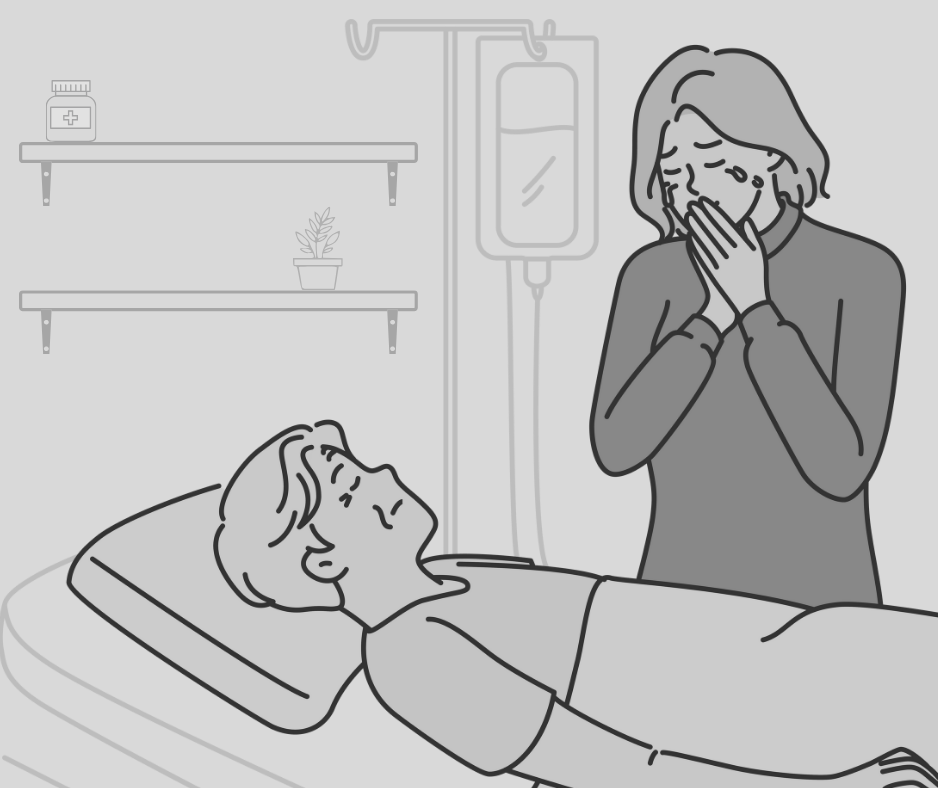
For Jo, it started with her dad. He was admitted with complex conditions, and somehow every part of the system knew a bit about him — but no one seemed to know him. The person. The story. Jo was left piecing it all together She had to piece it all together like a jigsaw puzzle — except half the pieces were from a completely different box
My family’s experience? Same jigsaw puzzle, different pieces. We’ve had care, yes — some amazing people along the way — but always in fragments. One clinic didn’t know what the other was doing. Appointments were missed, or duplicated, or lost in admin space-time. And at the centre of it all was a person who just wanted to be seen as whole.
This is what the Health Services Safety Investigations Body found in April 2025: fragmented care in the NHS isn’t just frustrating. It’s unsafe. People with long-term or complex conditions are at greater risk of harm because the system expects them (or us, their families) to stitch it all together.
And yet — none of this is new. The book on my shelf said it in 1984. The BMJ said it in 2024. Good general practice works because it’s holistic. GPs who know your history, your quirks, your cat’s name, even. But if we keep slicing up services — one bit for the acute flare-ups, another for the ongoing stuff, and another for anything vaguely social or mental — we break the thread that makes care feel, well, caring.
That’s why Jo and I started the Aligned Care Programme. Not to add another layer of jargon, but to get back to what people actually need: aligned, personalised, joined-up care that sees the full story — not just the diagnosis code.
Because here’s the truth: health is more than biology. It’s biography. And if care doesn’t fit around someone’s story, then it’s just noise.
So maybe — just maybe — the future of healthcare isn’t about reinventing everything. It’s about finally doing the things we’ve known for decades, with a bit of humanity, a bit of curiosity, and a lot more listening. The new NHS plan talks about integration, continuity, and person-centred care — and that gives us hope. But we know from experience that plans alone don’t fix things. People do. Programmes like Aligned Care are here to make sure that vision doesn’t just sit in a PDF — it becomes real for the patients and families who need it most.